
What Causes Low Libido in Men, and When Should I Be Worried?

Libido, or sex drive, is a complex and multi-faceted aspect of your health that can ebb and flow throughout your life. Libido is impacted by a variety of different factors, and it’s perfectly normal for it to become higher or lower from year to year, month to month, and week to week. It’s also common for men to experience low libido and just as common for them to become bothered by it. If you’re worried about low libido, the best step is to meet with an intimate health provider who can help you explore possible causes and treatments. Here’s what to know about low libido in men and when it’s time to meet with an intimate health expert here at Tideline Center for Health & Aesthetics.

What’s Considered Low Libido?

Libido is wildly different from person to person – meaning someone’s idea of low libido may be your idea of high libido and vice versa. It can be more helpful to consider it from a personal perspective. Everyone has a range of “normal” libido for themselves. If you begin to drop below this threshold, you may begin to feel like you have low libido.

Low libido is often described as having little or no interest in sexual activity compared to your normal interest level. This may also include symptoms like:

  • Having fewer sexual fantasies or thoughts about sex
  • Having a decreased interest (or even no interest) in sexual activity
  • Having distressed feelings about sexual activity or about not desiring sexual activity

What Causes Low Libido in Men?

Low libido can come about from a wide range of physical and mental health factors, as well as environmental and relational factors. Some of the most common causes include:

  • Stress and low energy: High levels of stress can affect your hormone levels, taking away from hormones that drive sexual desire. Stress and low energy can mean you simply want to do other things rather than engage in sexual activity.
  • Anxiety and depression: Mental health conditions and the medications that treat them both have a notoriously large impact on libido. Both anxiety and depression can affect your hormone levels and the neurotransmitters that help regulate it.
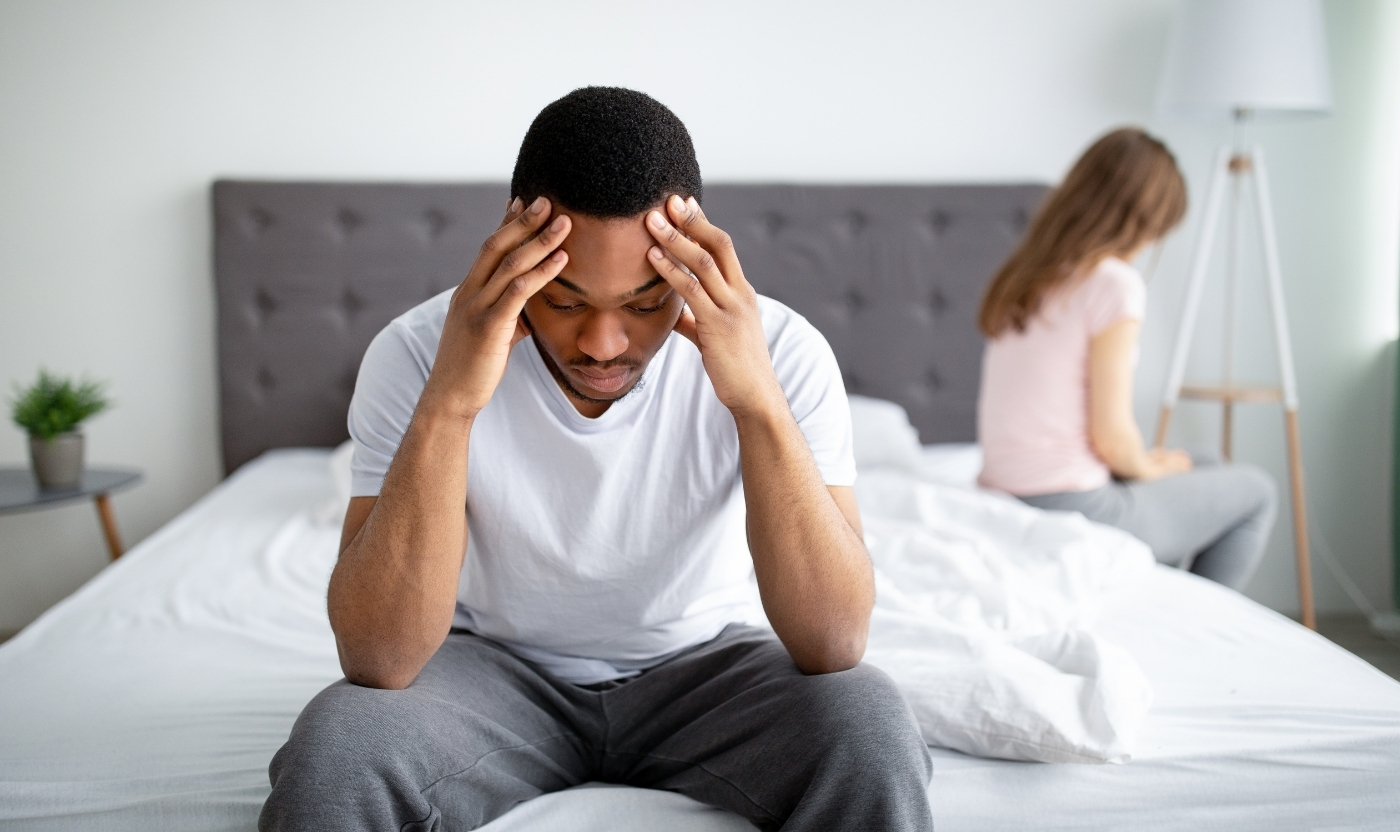
  • Relationship troubles: If you’re experiencing problems in your intimate relationships, it can reduce your desire to engage in sexual activity with them.
  • Medications: Along with antidepressants, a variety of other medications can interfere with your libido. These can range from blood pressure medications to chemotherapy drugs to antipsychotic medications.
  • Lifestyle: Many lifestyle choices can interfere with libido, such as using alcohol, nicotine, or recreational drugs. Physical activity, whether too much or too little, can also impact libido.
  • Low testosterone: Testosterone is the main hormone that drives libido in men. Low testosterone can happen at any age, but it becomes more common as you get older. This health condition can also accompany other symptoms like fatigue, irritability, weight gain, and more.
  • Sexual dysfunction: Men who struggle with sexual problems such as erectile dysfunction or premature ejaculation can develop anxiety around sex and thus prefer to avoid it. Over time, this can lead to a decreased desire.

When Should I See an Intimate Health Provider?

The short answer is that you should see a doctor when your low libido bothers you. There is no ideal level of libido across the board – rather, you should aim to achieve the level of sexual desire that fits you. If you notice that your libido is no longer what it was and you’re bothered by it, you can benefit from meeting with an intimate health provider. In some cases, it may simply be a sign of an underlying problem that can be addressed by our knowledgeable team.

Low Libido Treatment at Tideline Center for Health & Aesthetics

Low libido is complex, but an intimate health provider can help you find the causes and appropriate treatment options. To learn more, contact our office today and schedule a consultation. We conveniently serve the greater Long Island and Queens, NY areas.


Back to all blogs

Contact us today

Please fill out the form below, and someone will respond shortly. You can also call 516-833-1301 with any questions you may have.

close

For Men

Looking for Men’s Health services? Call the number below.

516-833-1302

For women

Looking for Women’s Health services? Call the number below.

516-833-1301
SIGN UP FOR OUR NEWSLETTER!

Sign Up for Our Newsletter