You may have heard a lot about hormone replacement therapy (HRT) lately. It is a highly effective way to treat menopausal symptoms and symptoms of low testosterone. However, as with any medical treatment, lifestyle factors are central to getting good results. The fact is, living a healthy and active life alongside your hormone replacement therapy is key. Here’s what to know about improving your hormonal balance and how to support your therapy with the right lifestyle changes.
What are the Symptoms of Hormonal Imbalance?
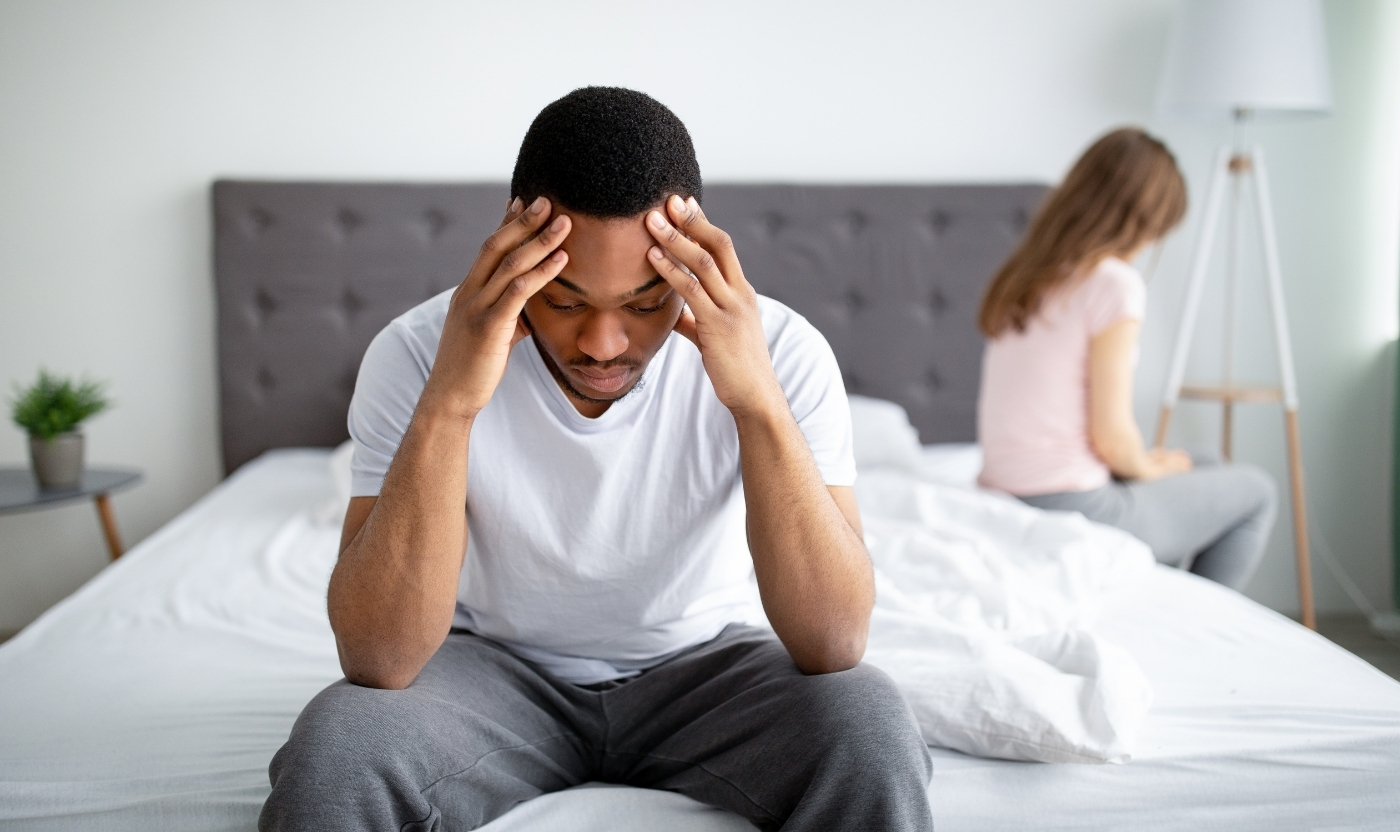
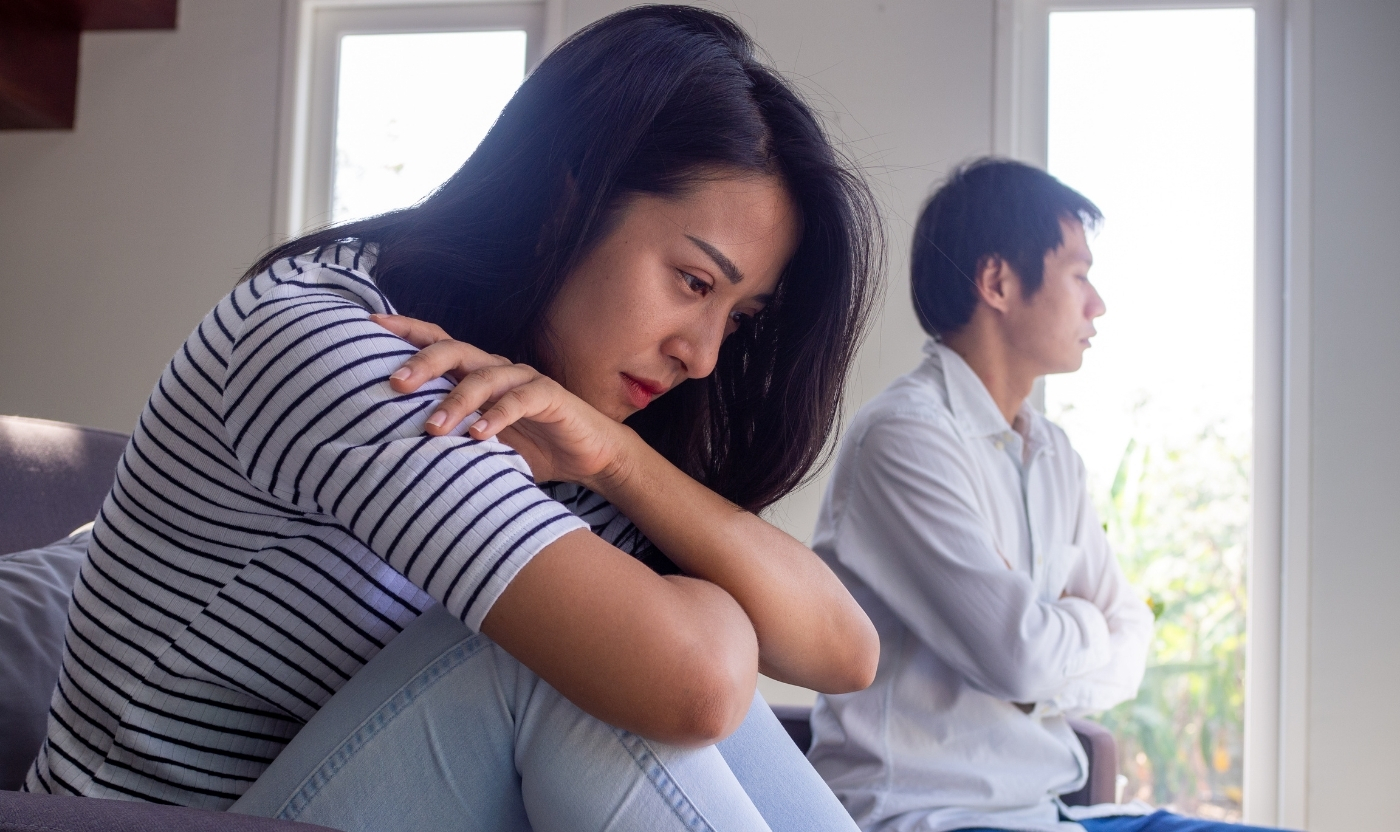
In people of any gender, symptoms of hormone imbalance can include fatigue, hot flashes, night sweats, mood swings, weight changes, trouble sleeping, and changes in libido. These changes typically indicate that your levels of estrogen or testosterone are low and your body is struggling to function as needed.
Some differences emerge between men and women, however. For women, menopausal symptoms include menstrual irregularities and vaginal dryness. For men, low testosterone can produce symptoms like erectile dysfunction, decreased energy, and loss of muscle mass.
What is Hormone Therapy?
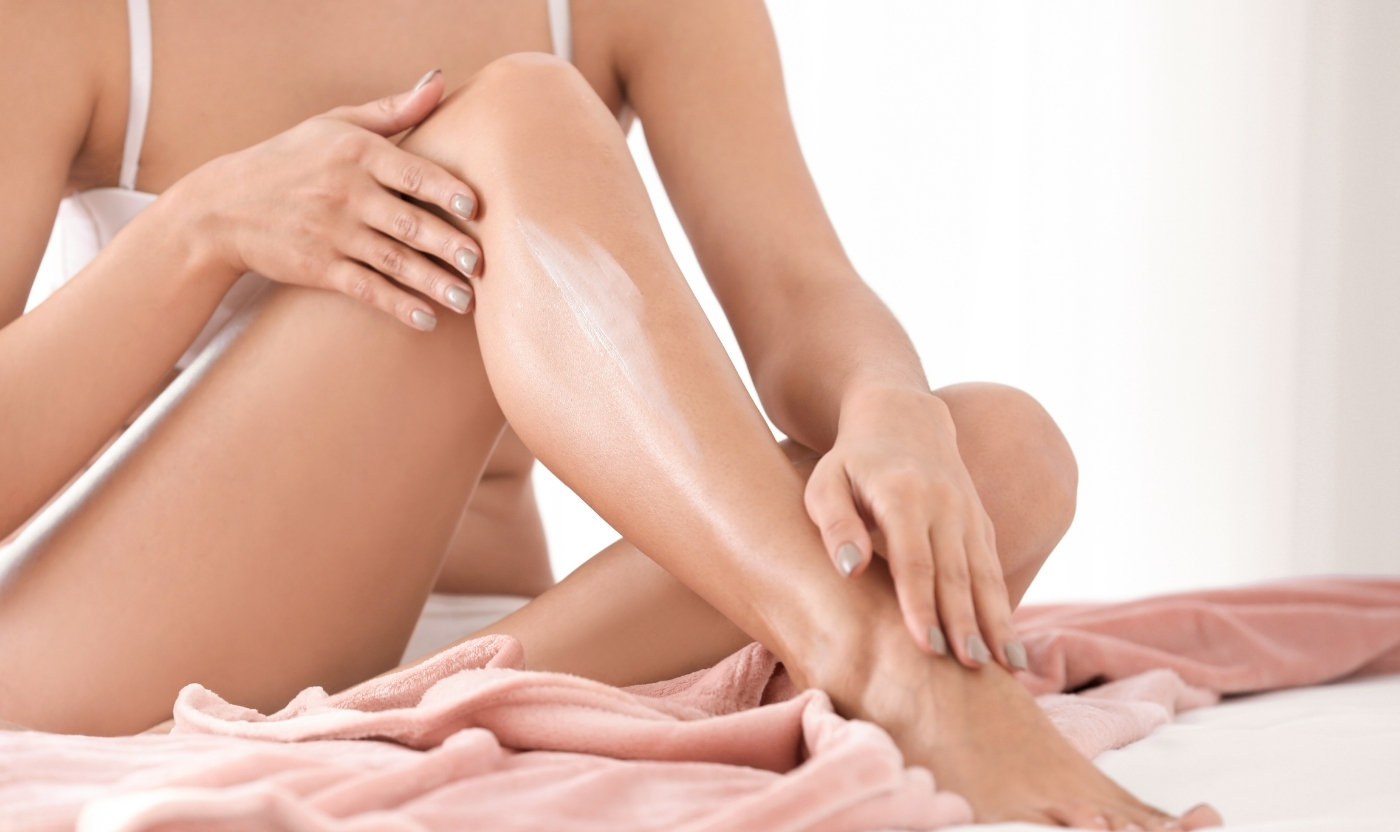
Hormone therapy is a treatment for low hormone levels that includes supplementing testosterone and estrogen to bring your body’s levels back to normal. Hormone therapy can alleviate menopausal symptoms in women and low hormone symptoms in men. Hormone therapy comes in the form of creams, patches, or pellets that are inserted under the skin. An intimate health provider can calculate the exact hormone dosage for your needs.
What Lifestyle Changes Can Support Hormone Replacement Therapy?
Hormone therapy alone isn’t always enough to maintain results. Making lifestyle changes is important to getting better results and protecting your health for the years to come.
Reduce Chronic Stress
Chronic stress can take a toll on your body at every level, including your cellular health. However, not only is reducing stress important to your overall well-being, but it’s also important to your hormonal health. When you’re chronically stressed, your body’s natural response is to pay less attention to systems that aren’t necessary for your immediate survival, such as your reproductive system. This means your body may produce less testosterone, estrogen, and progesterone. Therefore, stress reduction can be a good first step in seeing improvement in your hormone levels.
Increase Lean Muscle Mass
A good way to improve your overall health is to increase your lean muscle mass, and it’s important for people of any gender. Having more muscle mass can protect you from injury, which becomes more likely as you age. It can also increase your metabolism and cardiovascular health, reducing health risks and helping you get more from physical exercise.
Focus on Bone Health and Heart Health
Women and men start to see a decline in bone and heart health as they age respectively. For aging women, osteoporosis becomes a significant concern as estrogen levels drop. For men, low testosterone is associated with a higher risk of heart disease. Taking steps like incorporating more vitamin D and healthy fats into your diet is a great first step – as well as meeting with your regular doctor to test for high blood pressure and low bone density. Additionally, get regular physical exercise, including training your muscles and working your cardiovascular system.
Eat a Variety of Foods
A balanced diet is the best diet. Eat a variety of foods – this includes enjoying your favorites while also incorporating many different types of foods in different amounts, especially nutrient-dense foods, which give you more energy for longer. Eat until you’re mostly full, and pay attention to when you’re hungry throughout the day. Finally, make most of your meals at home and find ways to cut down on packaged foods or restaurant meals.
Get Daily Movement
Finding a way to move your body daily is key. At least 30 minutes of movement every day is recommended, regardless of what it looks like. If you enjoy dedicated exercise such as running or lifting weights at the gym, then find a way to do it most days of the week. If you don’t enjoy exercise or a gym environment, then explore other ways to move, like walking, doing yard work, or taking a dance class. Find something you enjoy doing that will make you healthier without feeling like a chore.
Hormone Replacement Therapy in Long Island, New York
To learn more about how to maximize your hormone replacement therapy, contact us to schedule a consultation with our intimate health providers. We conveniently serve the greater Queens, NY and Long Island areas.
Back to all blogs
Contact us today
Please fill out the form below, and someone will respond shortly. You can also call 516-833-1301 with any questions you may have.